
Personal loans have become one of the most versatile financial tools available today. Whether someone needs to consolidate debt, cover unexpected expenses, or fund a major purchase, personal loans offer a structured and straightforward way to borrow money. However, understanding how they work—and when they should be used—is essential for making responsible financial decisions. This article breaks down personal loans in simple terms, explains their benefits and risks, and helps you determine when they are the right choice.
What Is a Personal Loan?
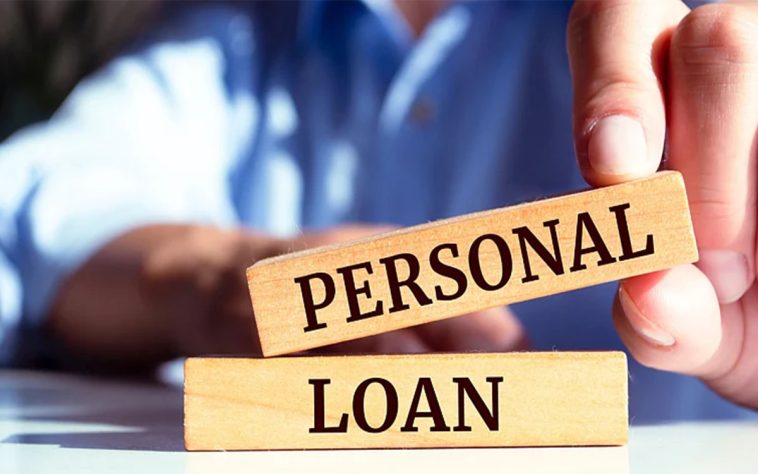
A personal loan is a type of installment loan provided by banks, credit unions, or online lenders. Borrowers receive a lump sum of money upfront and repay it in fixed monthly installments over a set period, usually between one and seven years. Unlike mortgages or auto loans, personal loans are typically unsecured, meaning you don’t need collateral such as a car or house. Because of this, interest rates depend heavily on your credit score, income, and overall financial stability.
How Personal Loan Interest Rates Work
Interest rates on personal loans vary widely. Borrowers with excellent credit may qualify for very low rates, while those with poor credit face significantly higher ones. Lenders evaluate factors such as:
-
Credit history
-
Employment status
-
Debt-to-income ratio
-
Payment behavior
-
Loan amount and duration
Fixed interest rates remain the same throughout the loan term, offering predictable monthly payments. This predictability is one of the key advantages of personal loans.
Types of Personal Loans
Although most personal loans are unsecured, there are variations that cater to different financial needs.
Unsecured Personal Loans
These loans do not require collateral and rely on creditworthiness. They are fast and convenient but may have higher interest rates.
Secured Personal Loans
These require collateral, such as a savings account or vehicle. Borrowers often receive lower interest rates in exchange for reduced lender risk.
Debt Consolidation Loans
Designed specifically to merge multiple high-interest debts into one manageable payment, these loans help simplify finances and reduce total interest costs.
Common Uses of Personal Loans
Personal loans can be used for almost anything, making them extremely flexible.
1. Debt Consolidation
People often use personal loans to pay off credit card balances. By replacing multiple high-interest debts with a single lower-interest loan, borrowers can save money and reduce stress.
2. Emergency Expenses
Unexpected medical bills, urgent home repairs, or sudden travel needs can be handled quickly with a personal loan.
3. Major Purchases
From weddings to appliances to home improvements, personal loans offer financing without the high costs of credit cards.
4. Education or Skill Development
While student loans exist for formal education, personal loans can help fund short-term courses, certifications, or career training programs.
Advantages of Personal Loans
Several benefits make personal loans appealing:
Predictable Payments
Fixed interest rates and fixed payment schedules make budgeting easier.
No Collateral Needed
Borrowers don’t need to risk losing property if they choose an unsecured loan.
Lower Interest Compared to Credit Cards
Many personal loans offer better rates than credit cards, especially for borrowers with good credit.
Fast Approval and Disbursement
Online lenders can provide loan approval and funding within days—or even hours.
Risks and Drawbacks
Like any financial product, personal loans come with potential downsides:
High Interest for Poor Credit
Borrowers with lower credit may face rates that make loans expensive.
Fees
Some loans include origination fees, late fees, or early repayment penalties.
Debt Trap Risk
Borrowing without a repayment plan can lead to deeper financial trouble.
When Should You Consider a Personal Loan?
A personal loan makes sense when:
-
You have a clear repayment strategy
-
The loan will reduce your overall interest burden
-
You’re consolidating high-interest debts
-
You’re covering a necessary expense
-
You qualify for competitive rates
However, a personal loan may not be a good choice if it simply adds new debt or funds non-essential spending.
Conclusion
Personal loans can be powerful financial tools when used wisely. They offer flexibility, predictable payments, and the ability to handle major expenses without resorting to high-interest credit cards. By understanding how personal loans work, evaluating your financial situation, and choosing a reputable lender, you can make borrowing decisions that support—not hinder—your long-term financial health.